blog / Femtech - Period Tracker App Development - Stop Treating Cycle Data Like Ad Inventory

Did you know there are about 1.99 billion women of reproductive age (15-49) worldwide?
And researchers estimate 50+ million women already use period tracking apps.
So yes, this is a huge market. But it’s also one of the most sensitive product categories you can build. When we talk about custom iOS application development for femtech, or even broader mobile UI UX design services, the rules are different. A period tracker is not “just health data.” It can hint at pregnancy plans, sex life, symptoms, mood, and medical concerns.
If users feel watched, they leave.
If they feel unsafe, they delete the app and tell their friends.
This is why “growth at any cost” is a bad idea in femtech.
Cycle data is not ad inventory.
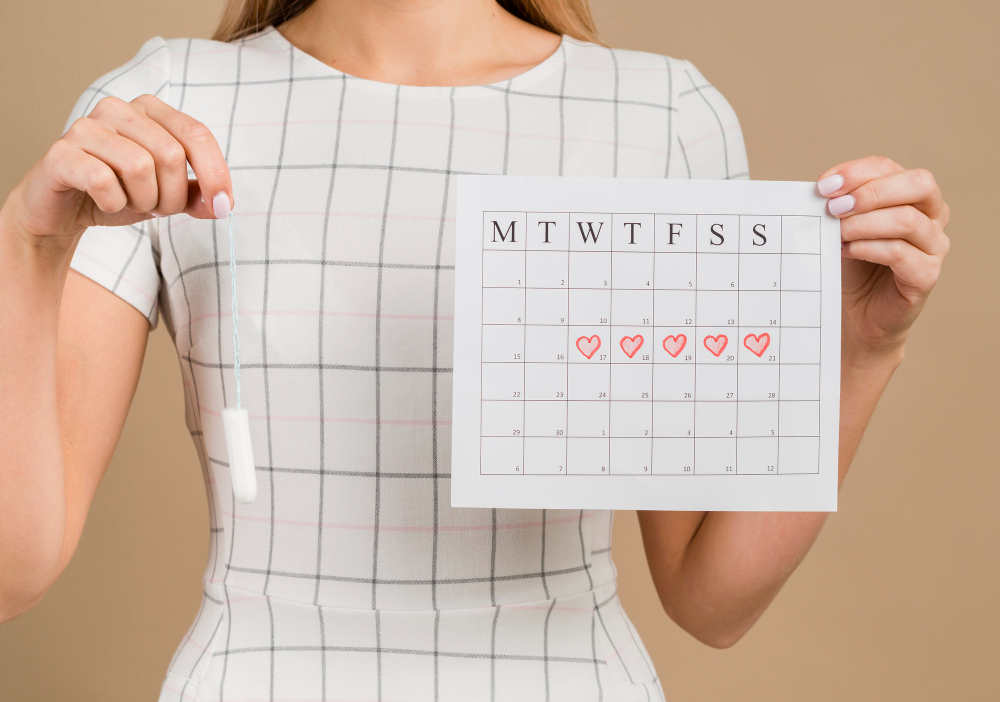
Why Femtech Period Tracker App Development Is Different (Trust, Risk, Sensitivity)
If you build a food tracker and mess up, users get annoyed.
If you build a cycle tracking app and mess up, users can feel exposed.
Many women open these apps on days when they don’t feel great. Pain, fatigue, anxiety, hormone swings, or just “I don’t know what’s going on with my body.” Your product should feel like a calm friend, not a noisy dashboard.
That’s the core job of period tracker app development: reduce stress, build trust, and stay honest.
Femtech Privacy Scandals & Trust Risks: What Period Tracker Apps Must Avoid
The Flo privacy case (FTC)
This is the one every femtech founder should read about before writing a single line of code.
In 2021, the US Federal Trade Commission finalized an order saying Flo shared sensitive health data with outside analytics providers after telling users it would be kept private.
And the story didn’t stop there. In 2025, Reuters reported a $56 million settlement involving Google and Flo over claims that sensitive data from the Flo app was shared with third parties, despite privacy assurances.
When people say, “privacy is a feature,” this is what they mean. In femtech, privacy is not a checkbox. It is the foundation.
Post-Roe trust shock
After Roe v. Wade was overturned, many women started deleting period trackers because they feared their data could be used against them.
Even if your product is global, this fear travels. Users now look for privacy signs before they trust you.
Period Tracker App Market Size. Audience, Adoption & Usage Stats
Let’s connect the dots:
1.99B women of reproductive age worldwide.
50+ million already use period tracker apps (estimated in research).
In one study, 62.3% of respondents reported using period tracker apps to record and track cycles.
This is why the best products in this space can grow fast. People don’t “try” cycle tracking once. If the app helps, it becomes routine.
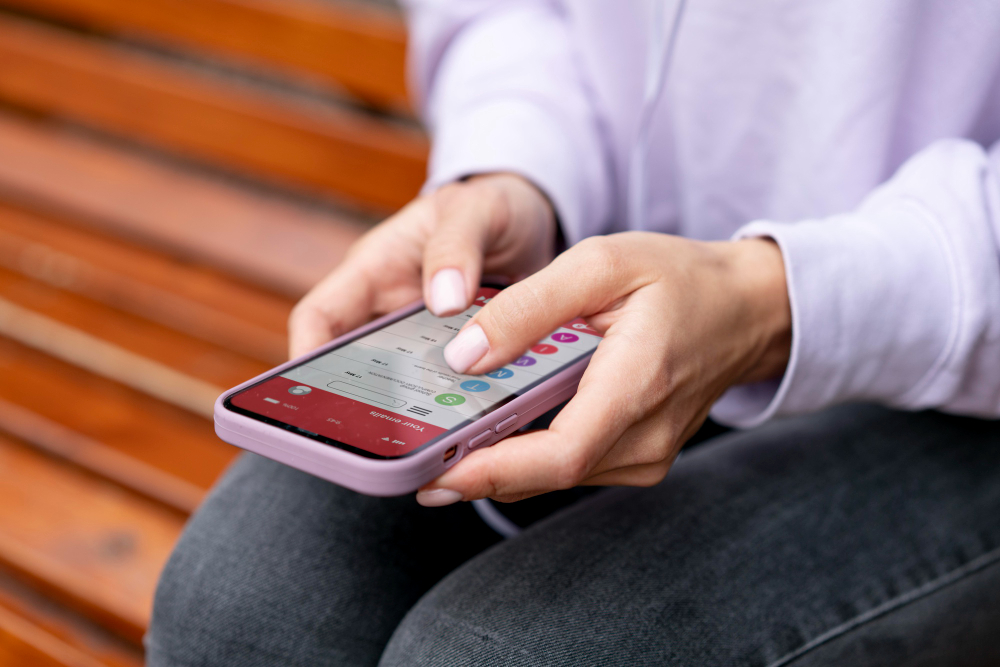
Top Period Tracker Apps. Flo, Clue, Ovia, Natural Cycles & Market Benchmarks
These are some of the biggest names users already know:
Flo - says 420M downloads and 77M active monthly users.
Clue - says 10M people rely on the app in 190+ countries, and reported 1M paid subscribers.
Period Calendar (Simple Design) - Google Play listing says “Trusted by 300 million users.”
Ovia - App Store listing says “Join our community of 15 million.”
Natural Cycles - says 4M registered users and multiple modes (including pregnancy and postpartum).
Stardust - saw a spike in downloads after Roe concerns, showing how strongly privacy messaging can move the market.
The lesson: users already have options. To win, you need better trust and a better experience.
Mobile UI/UX Design for Period Tracker Apps
A period tracker is used often, sometimes daily. It should feel light and easy.
Design choices that help:
soft, readable typography
clear spacing, not too many widgets
simple language (no scary “warnings” unless truly needed)
colors that support clarity (not “everything is pink” and not “clinical gray”)
a home screen that answers one thing fast: “What should I expect next?”
A great UI reduces mental load. That is real value.
Irregular Cycle Tracking UX (without shaming)
Many women have irregular cycles because of stress, travel, postpartum changes, PCOS, or birth control changes. If your app acts like everyone is a perfect 28-day clock, users feel broken.
Design it like this:
show ranges, not fake certainty
explain why predictions can shift
highlight patterns over time, not “you are late” panic
A survey study found that many users experienced periods starting earlier or later than predicted. So the honest product approach is: be helpful, not overconfident.
Mode switching that respects real life
Women don’t stay in one life stage. A serious femtech product needs smooth switching:
Cycle mode
Basic tracking, symptoms, predictions, gentle reminders.
Trying to conceive mode
Fertility window, ovulation support, partner-friendly sharing, and more detailed symptom tracking.
Pregnancy mode
This is huge. Users want:
week-by-week content
symptom journaling
checklists
appointment notes
“what’s normal vs what needs a doctor”
The key is tone. Pregnancy content should not scare people. It should guide them.
Postpartum mode
Postpartum is often ignored, but it matters. Cycles can be irregular. Sleep is broken. Mood changes. Users need a mode that feels supportive and realistic.
Perimenopause mode
Many users stay with a “good” app for years. Supporting perimenopause is a long-term retention play. Natural Cycles, for example, talks about multiple modes including postpartum and perimenopause.
Community can boost retention (but it needs safety)
A community can be powerful:
“Is this symptom normal?”
“What helped your cramps?”
TTC support groups
postpartum support
But the blind zone is misinformation. If your app has community, it needs:
clear rules
reporting tools
moderation workflows
strong privacy controls (anonymous by default for sensitive topics)
A good community feels warm and safe. A bad one becomes a liability.
Privacy-by-design (the part you can’t fake)
If you want to build a femtech product that lasts, privacy must be visible and real:
collect only what you truly need
explain data use in plain words
make export and delete easy
avoid “random SDK soup” that leaks sensitive events
use consent screens that people understand
Also be careful with marketing language. “We never share data” is a strong promise. If you can’t fully stand behind it, don’t say it.
Don’t overpromise “birth control accuracy”
Some apps in the market are used for avoiding pregnancy. This is extremely sensitive.
Natural Cycles is known for being regulated as a contraceptive in some regions, but it also faced public criticism and reports around unintended pregnancies when used as contraception.
For most products, the safe and honest approach is:
clear disclaimers
careful wording
focus on tracking and awareness unless you have serious validation
Olearis for Femtech App Development
Femtech products win when they feel caring, calm, and trustworthy.
That means strong UX writing, clean design, smart life-stage modes (cycle → TTC → pregnancy → postpartum → perimenopause), and privacy that is real — not a marketing slogan.
At Olearis, we build period tracker apps and fertility tracking apps like long-term products, not quick experiments. We focus on the hard parts early: privacy-by-design, honest predictions, safe community features, and a UI that women actually want to open on hard days.
But also, we don’t do only mobile.
We work across custom iOS app development, mobile UI/UX design services, and web application development, especially for sensitive health and wellness products.
We build period tracker and fertility apps like long-term systems, not quick MVPs:
privacy-by-design (not “we’ll fix it later”)
honest predictions instead of fake certainty
safe community and moderation workflows
mobile + web dashboards that work together (for users, partners, or clinicians)
If you’re looking for a team that understands femtech product risk, not just screens and APIs and you need a partner experienced in custom iOS app development, mobile UI UX design services, and scalable web app development - Olearis is the team to build it with.